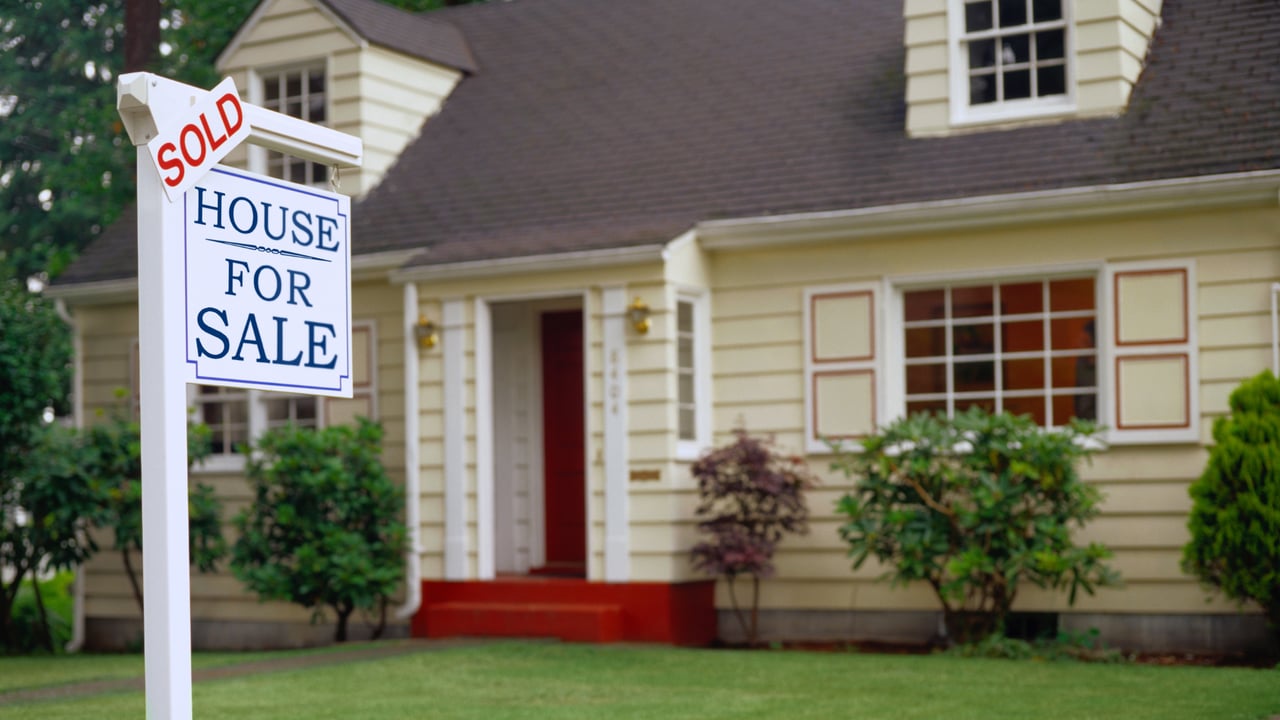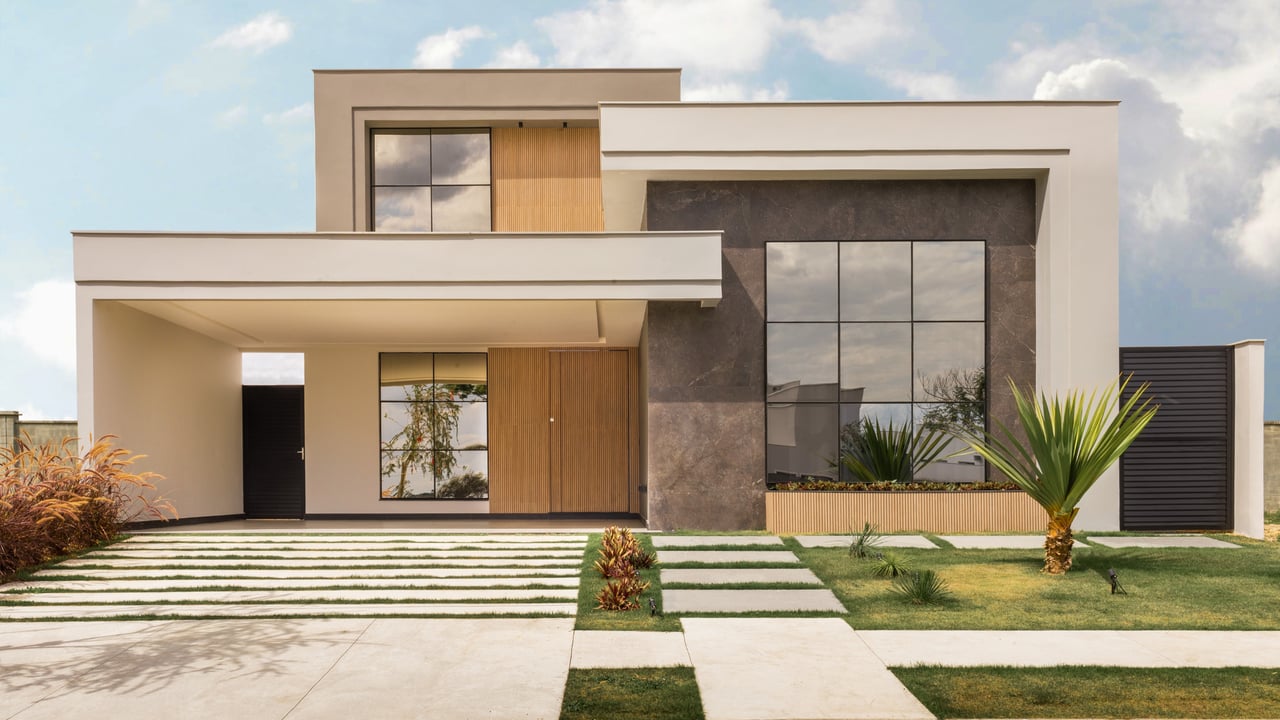
If you've ever wondered why one home in Lake Stevens, Snohomish, Everett, Bothell, Mill Creek, or elsewhere in Snohomish County sells quickly and attracts multiple offers while a seemingly similar home sits on the market, the answer often isn't square footage, age, or even price. Buyers don't purchase homes based solely on facts. They purchase based on confidence, emotion, and the overall experience a property creates.
One of the most interesting conversations I have with sellers usually starts with the same question.
"Taylor, why did that house sell for more than mine? They're basically the same."
At first glance, they often are.
Similar square footage.
Similar neighborhood.
Similar number of bedrooms.
Sometimes they're even on the same street.
Yet one home receives multiple offers and sells over asking.
The other sells weeks later or doesn't sell at all.
Most people assume the answer is luck.
Or timing.
Or that one buyer simply paid too much.
In my experience, it's usually something much more predictable.
It's buyer psychology.
Buyers don't buy the "best" house
They buy the house that feels like the safest decision.
That's an important distinction.
When people are making one of the biggest financial decisions of their lives, they're constantly asking themselves questions like:
- Is this home worth it?
- What am I missing?
- Has it been well maintained?
- Will I regret this later?
- Will other buyers want this home too?
Notice something?
Very few of those questions are actually about square footage.
They're about confidence.
The emotional decision happens before the logical one
People often believe buying a home is a rational process.
In reality, it's usually the opposite.
Emotion happens first.
Logic follows.
A buyer walks through the front door.
Within seconds, they're already forming opinions.
Not necessarily about the granite countertops or the hardwood floors.
About something much harder to measure.
How the home feels.
Can they picture Christmas morning here?
Can they imagine friends gathered around the kitchen island?
Can they see themselves drinking coffee on the back patio?
That emotional picture often happens long before buyers start comparing inspection reports or calculating monthly payments.
Later, they justify the decision with facts.
But the feeling came first.
Why confidence creates competition
Imagine two nearly identical homes.
Both have three bedrooms.
Both have updated kitchens.
Both are priced similarly.
One feels bright, clean, welcoming, and thoughtfully prepared.
The other feels cluttered, dark, and unfinished.
Objectively, they may offer similar value.
Emotionally?
They couldn't feel more different.
The first home gives buyers confidence.
Confidence creates urgency.
Urgency creates competition.
Competition creates stronger offers.
That's one of the reasons presentation has such a powerful impact on final sale price.
Buyers aren't paying for perfection
They're paying for certainty.
This surprises many sellers.
Most buyers aren't expecting a perfect house.
They're expecting a home that feels cared for.
Small details communicate that.
Fresh paint.
Clean windows.
Organized spaces.
Well-maintained landscaping.
Professional photography.
A thoughtful layout during showings.
None of these things change the structure of the home.
They change how buyers interpret it.
And perception is incredibly powerful.
First impressions happen long before the showing
Years ago, buyers often discovered homes during weekend tours.
Today, they usually discover them on their phones.
That means your first showing often happens online.
Before anyone opens the front door, buyers have already decided:
- whether they'll save the listing
- whether they'll send it to their spouse
- whether they'll ask their agent to schedule a showing
- whether they'll keep scrolling
Photos aren't simply documenting a property anymore.
They're creating anticipation.
Or eliminating it.
Why similar homes don't always feel similar
I've walked through homes where buyers immediately relaxed.
And others where they became cautious.
Even though the homes were remarkably alike.
Why?
Because buyers notice things sellers stop noticing.
Lighting.
Odors.
Furniture placement.
Maintenance.
Noise.
Natural flow.
The feeling of the neighborhood.
Sometimes they can't even explain why one home feels better than another.
They simply know it does.
And that feeling influences every decision that follows.
One seller taught me this lesson perfectly
A while back, I worked with a seller whose home had previously been on the market for more than 100 days.
Nothing was fundamentally wrong with the house.
The challenge wasn't the property.
It was the buyer experience.
Before relaunching the home, we slowed down.
Instead of asking,
"How do we sell this house?"
We asked,
"How do we help buyers feel more confident?"
That shift changed everything.
We improved presentation.
Addressed buyer concerns before they became objections.
Strengthened the marketing.
Created a more compelling first impression.
The result wasn't magic.
It was psychology.
The home received multiple offers and successfully went under contract.
The house didn't become more valuable overnight.
Buyers simply saw it differently.
Buyers also watch other buyers
This is something sellers rarely think about.
Buyers pay attention to activity.
When they hear:
"There are already several showings scheduled."
or
"We're expecting multiple offers."
something changes.
Suddenly the home feels more desirable.
Not because buyers are trying to compete.
Because demand acts as social proof.
It's human nature.
We assume other people see something valuable.
That's why momentum matters.
The first few days on the market often shape buyer perception for weeks afterward.
Price communicates more than value
Most people think pricing answers one question:
"How much is this home worth?"
In reality, it answers another one too.
"Should I take this listing seriously?"
A home that's strategically priced encourages buyers to investigate.
A home that's noticeably overpriced often encourages them to wait.
Even if both homes eventually sell for similar amounts, one usually experiences much more competition along the way.
And competition almost always benefits the seller.
What the strongest sellers understand
The sellers who consistently achieve exceptional outcomes tend to think differently.
Instead of asking,
"How can I get the highest price?"
They ask,
"How can I create the strongest buyer response?"
Those are very different strategies.
The first focuses on numbers.
The second focuses on psychology.
Ironically, the second often leads to better numbers.
What this means if you're thinking about selling
One of the biggest mistakes homeowners make is assuming buyers see the same home they do.
They don't.
You see memories.
Buyers see possibilities.
You see the projects you've completed.
Buyers see the experience they're about to invest in.
The goal isn't simply to list your home.
It's to create an experience that makes buyers feel confident saying yes.
Because confidence is often what people are really paying for.
Not just the house itself.
I've always believed that great real estate isn't just about understanding homes.
It's about understanding people.
Homes with similar floor plans can produce very different outcomes because people don't buy based solely on measurements or specifications.
They buy based on trust.
Emotion.
Confidence.
And the feeling that they're making the right decision.
If you're thinking about selling in Lake Stevens, Snohomish, Everett, Mill Creek, Bothell, Marysville, Mukilteo, or anywhere in Snohomish County, it's worth having a conversation long before your home hits the market.
Not because you need to list tomorrow.
But because creating buyer confidence starts well before buyers ever walk through your front door.