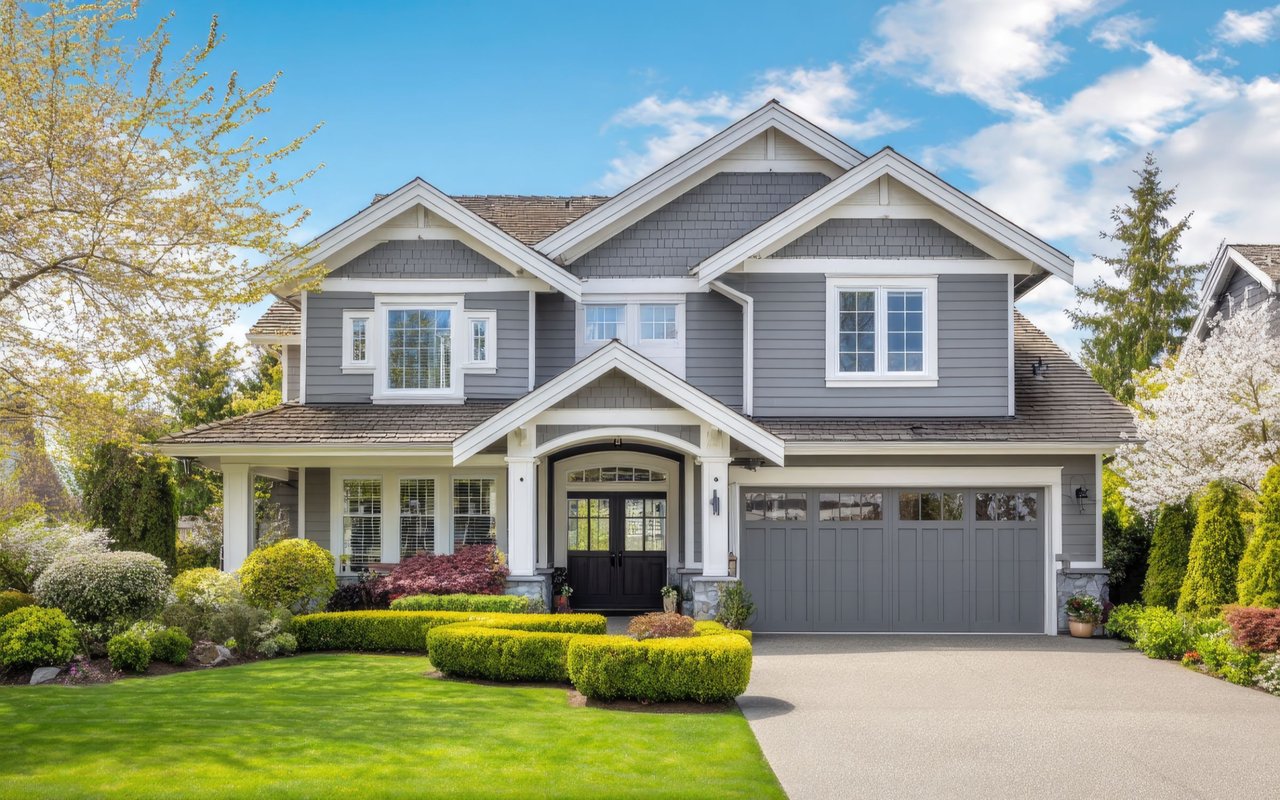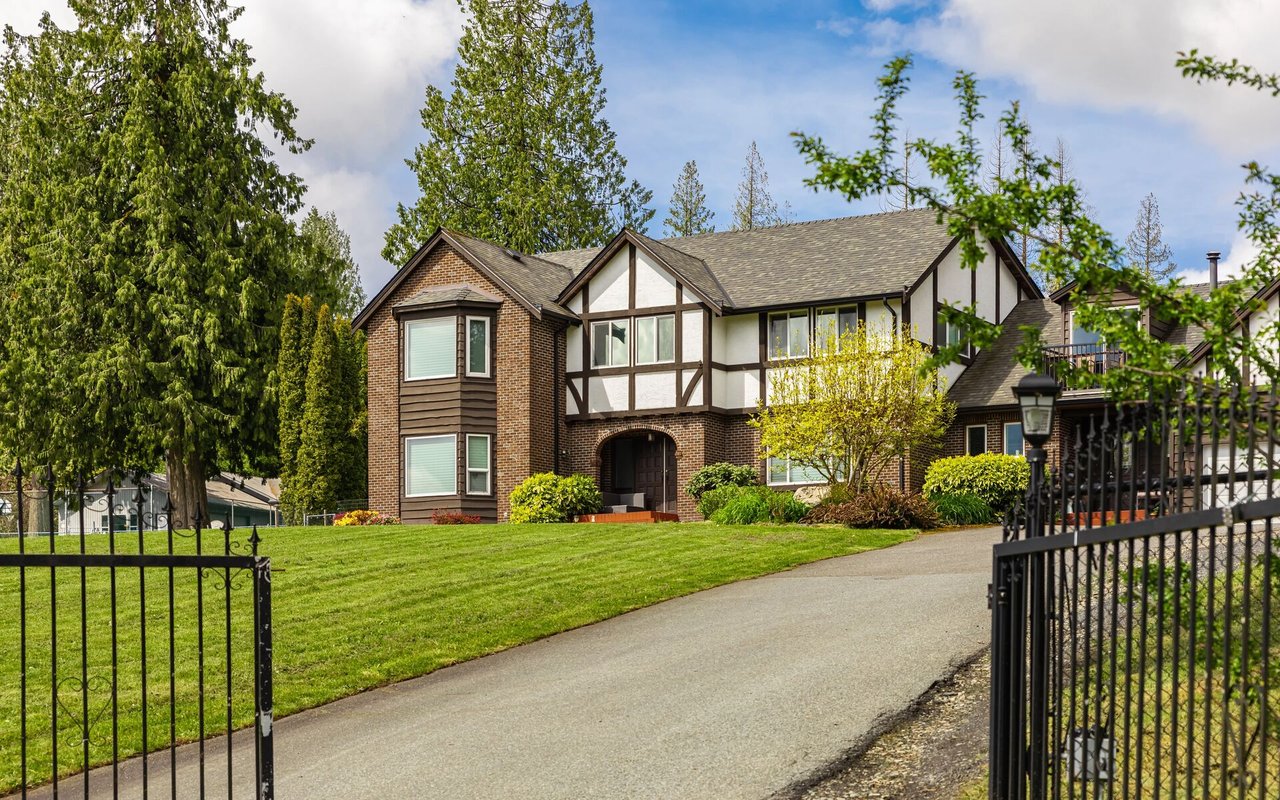
“Can I negotiate?” is one of the most common questions buyers ask when they find a home they like.
The answer is yes—you can ask for seller-paid closing costs, repairs, a mortgage rate buydown, or a lower purchase price. Whether the seller agrees depends on the property, the competition, and the strength of your offer.
For buyers in Lake Stevens, Everett, Snohomish, Marysville, and surrounding communities, the opportunity comes down to understanding the specific listing.
Can the Seller Pay My Closing Costs?
Yes. Buyers can request a seller credit toward eligible closing costs, which may reduce the cash they need to bring to closing.
For example, on a $650,000 purchase, a negotiated $10,000 seller credit could help cover approved expenses such as lender fees, title and escrow charges, prepaid expenses, or discount points.
That credit does not automatically lower the purchase price. Instead, it helps pay eligible costs associated with the purchase.
Your lender needs to confirm how much seller assistance your loan allows and how you can use it. Limits depend on factors such as the loan program, down payment, and occupancy. A seller credit generally cannot replace your required down payment, and you should not assume unused funds will be paid to you as cash.
Can I Ask the Seller to Make Repairs?
Yes, but your ability to negotiate repairs depends on your purchase agreement, inspection terms, and deadlines.
If an inspection identifies concerns, you may be able to request:
- Repairs completed before closing.
- A seller credit toward allowable closing costs, helping preserve your own money for repairs afterward.
- A purchase price reduction.
- A combination of these options.
The seller can accept, reject, or counter your request. An inspection does not automatically require the seller to fix everything in the report.
The strongest repair requests usually focus on significant defects, safety concerns, or expensive problems rather than routine wear and tear.
Some property issues may also need to be corrected before your lender will approve the loan. In those situations, a credit alone may not solve the problem.
Can the Seller Help Buy Down My Mortgage Rate?
Yes. A seller may agree to contribute toward a lender-approved mortgage rate buydown.
There are two common approaches:
A temporary buydown uses upfront funds to subsidize your payments during an initial period. With a typical 2-1 buydown, your principal-and-interest payments are calculated using a rate two percentage points below the note rate in the first year and one percentage point below it in the second year. You then pay the full scheduled amount.
The mortgage’s actual note rate does not change. You need to understand—and be comfortable with—the payment after the subsidy ends.
A permanent buydown involves paying discount points upfront to obtain a lower mortgage interest rate. The cost and available rate reduction depend on the lender and current pricing.
Before choosing either option, ask your lender to compare the upfront cost, monthly savings, and how long you expect to keep the loan. A future refinance is a possibility, not a guarantee.
When Do Buyers Have More Negotiating Power?
Your leverage depends on what is happening with that home and its competing listings.
You may have more room to negotiate when:
- The home has been listed longer than comparable properties.
- The seller has already reduced the price.
- Similar homes are available with fewer competing buyers.
- The property needs meaningful repairs or updates.
- The seller values a closing timeline you can accommodate.
A well-priced home receiving multiple strong offers may leave less room for concessions.
Days on market can be a useful clue, but it does not tell the whole story. A longer listing period does not automatically mean the seller will accept a large discount.
Is a Seller Credit Better Than a Lower Price?
It depends on what you need most.
If your priority is bringing less cash to closing, a seller credit may be more useful. If your priority is reducing the amount you borrow, a lower purchase price may be the better fit.
If monthly affordability is your main concern, compare a price reduction with a credit toward a rate buydown.
These options affect your finances differently. Your agent and lender should help you compare actual numbers before you decide what to request.
How Do You Make a Strong Negotiation Request?
Start with the property’s value, condition, listing history, and competition. Then build an offer around your most important goal.
Asking for a lower price, substantial closing costs, extensive repairs, and several additional concessions all at once can make an offer less appealing—especially when the seller has other options.
A focused request supported by comparable sales, repair estimates, or competing listings is easier to explain and evaluate.
The seller will also consider the full package: financing, contingencies, closing date, and the amount they expect to receive after concessions.
Buying in Snohomish County? Know What You Can Ask For.
You do not have to assume the asking price and advertised terms are your only options.
Seller-paid closing costs, repairs, and mortgage rate buydowns can all be part of a negotiation. The right approach depends on the home and what would make the purchase work best for you.
I’m Taylor Stefani, a local real estate broker helping buyers in Lake Stevens and throughout Snohomish County evaluate homes and negotiate with a clear strategy.
Have a home in mind? Contact me, and let’s review the listing, compare nearby sales, and determine which terms may be reasonable to negotiate.